

The Hill features in The Telegraph: our red clay and the future of British tennis
The Hill Racquets Club has been featured in The Telegraph, in a piece on how our European red clay courts are helping shape the future of British tennis.
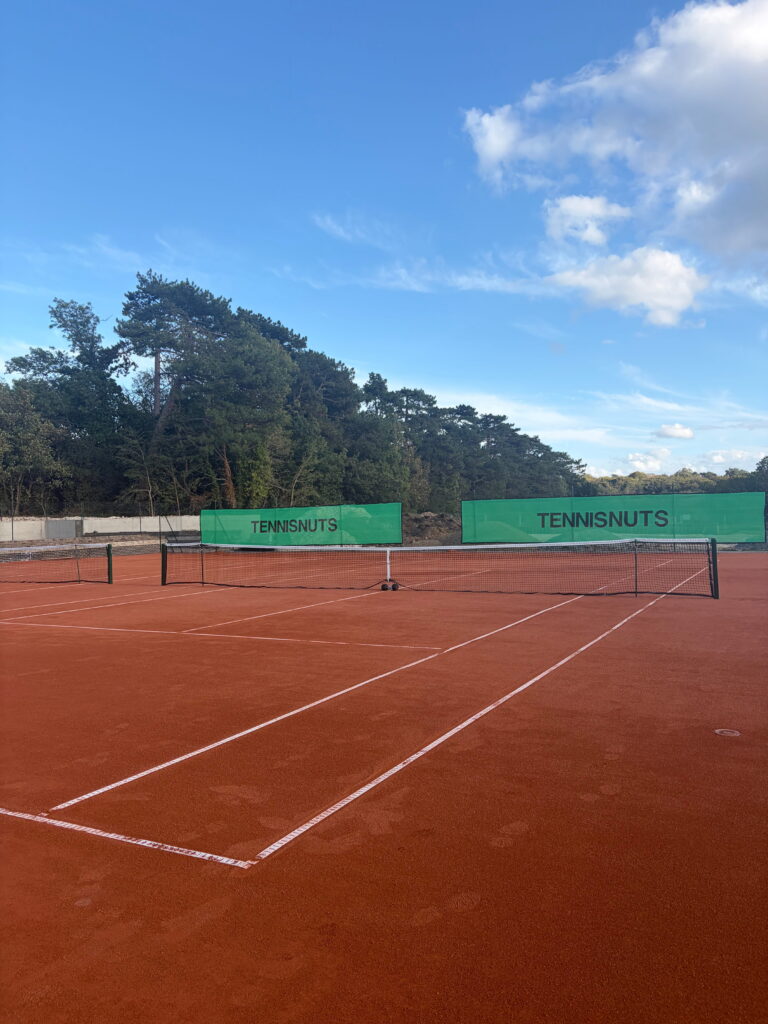
The Hill Racquets Club has been featured in The Telegraph, in a piece on how clay courts in Hertfordshire are helping to shape the future of British tennis. We were proud to open our doors to the paper and talk about why we built the club around European red clay, and what it means for the players who train here.
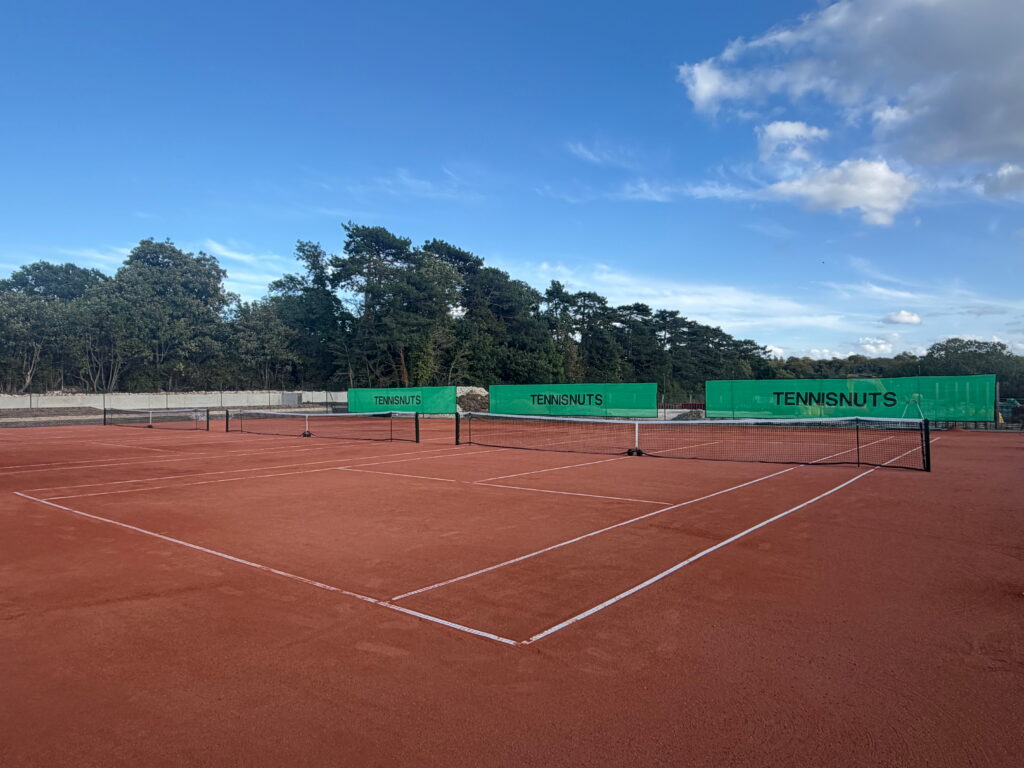
Clay teaches the game
Red clay is the most demanding surface in tennis, and that is exactly why we chose it. The ball sits up and slows down, rallies last longer, and there is a premium placed on building the point. Players need to learn how to move on a slippery surface, construct a point and adjust to bounces (due to the natural surface).
Why clay makes the difference
Four things every player takes away from time on our European red clay courts.
Patience
In professional mens tennis, rallies on clay are on average 27% longer than on a hard court. (Queens University Belfast, 2025).
Footwork
The slippery top surface of a clay court causes players to adapt their loading and deceleration. Potentially improving movement control. There are also studies which indicate less load goes through the knee joints on clay in comparison to hard court, potentially decreasing the likelihood of overload injuries.
Point construction
With more time on the ball due to the surface gripping the ball more at the bounce, and therefore bouncing higher, there is a premium placed on moving the opponent and creating space in order to hit a winner on a clay court.
Endurance
A study on national standard players found that on average clay court matches lasted 10% longer than hard court matches.
Coaching that lasts
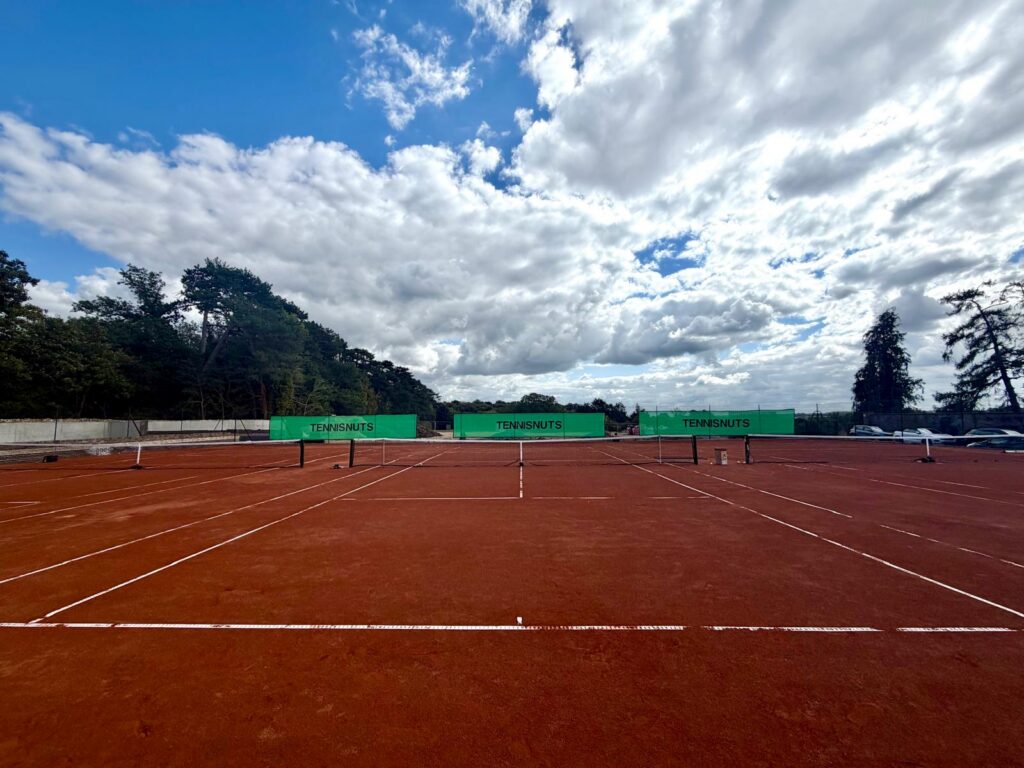
Our coaching follows a long-term player development philosophy. On clay there is nowhere to hide a weak movement pattern or a one-dimensional game, so our coaches look to build well rounded players: footwork combined with technical/tactical competence and mental strength.
A shift in British tennis
British tennis has long been taught on hard courts and grass. The feature looks at why that is starting to change, and why surfaces like ours matter for the next generation of players. We are proud to be part of that conversation.
Your game is waiting at The Hill
Book a court for just £10 on your first visit, or join the club for full access to the courts, coaching and gym.